What Abba Means in the Bible

On a recent trip to the United Kingdom, I visited my grandson. Partly to entertain him, and partly to expedite speech, I sounded out animal names, accompanied by various signals. My beast list included a ducking, diving, “duh-duh-dolphin,” a roaring “le-le-lion,” and a jumping, hopping, “bu-bu-bunny.” Frustratingly, my grandson James did not make the leap to “ma-ma” or “da-da” that I had anticipated—those two hyphenated expressions are usually the first words spoken by English-speaking children.
It has sometimes been claimed that it was like that for Aramaic-speaking Jewish infants from before the time of Christ, that Abba was the “heart-language” way for Jewish babies to exclaim, “Daddy.” Yet since Jesus, as an adult, employed this word in reverent devotion, to make Abba merely infantile baby talk appears inaccurate. Since Mark quotes “Abba” and translates it “Father” for his readers; and if Jesus, in all likelihood, used Abba more often than Scripture records, then how can three unarguable biblical occurrences (Mark 14:36; Rom. 8:15; Gal. 4:6) help us grasp what Abba is all about?
Abba Shows Affection
Abba is found today on “lips of infants and babes,” in the Middle East. It can also be heard in mouths of older children, as well as adult sons. “Abba,” in other words, is a form of affectionate, reverential address. If “Father, dear father” or “Papa” is too Victorian, the contemporary “Dad” captures Abba accurately and balances familiarity, maturity, love, and respect. This observation comes with one caveat: By using this address, Jesus lifted “Abba” to fresh heights of godly affection and gravitas. None but our Lord has, or could, use Abba with precisely this same depth or tone. His relationship with His Father as His only begotten Son was utterly unique. It is impossible to fully fathom what it meant for our Master, who had from all eternity enjoyed close-quarters intimate fellowship with the Father, to call Him Abba. For this reason, never be casual, and always be careful, when praying to the Lord. Never make Abba an excuse for the kind of infantile babble and overfamiliarity that some have tried to make it. Be amazed that any disciple of the Messiah could, by grace, be granted the right to address Yahweh as Abba.
Be amazed that any disciple of the Messiah could, by grace, be granted the right to address Yahweh as Abba.
Abba Marks Adoption
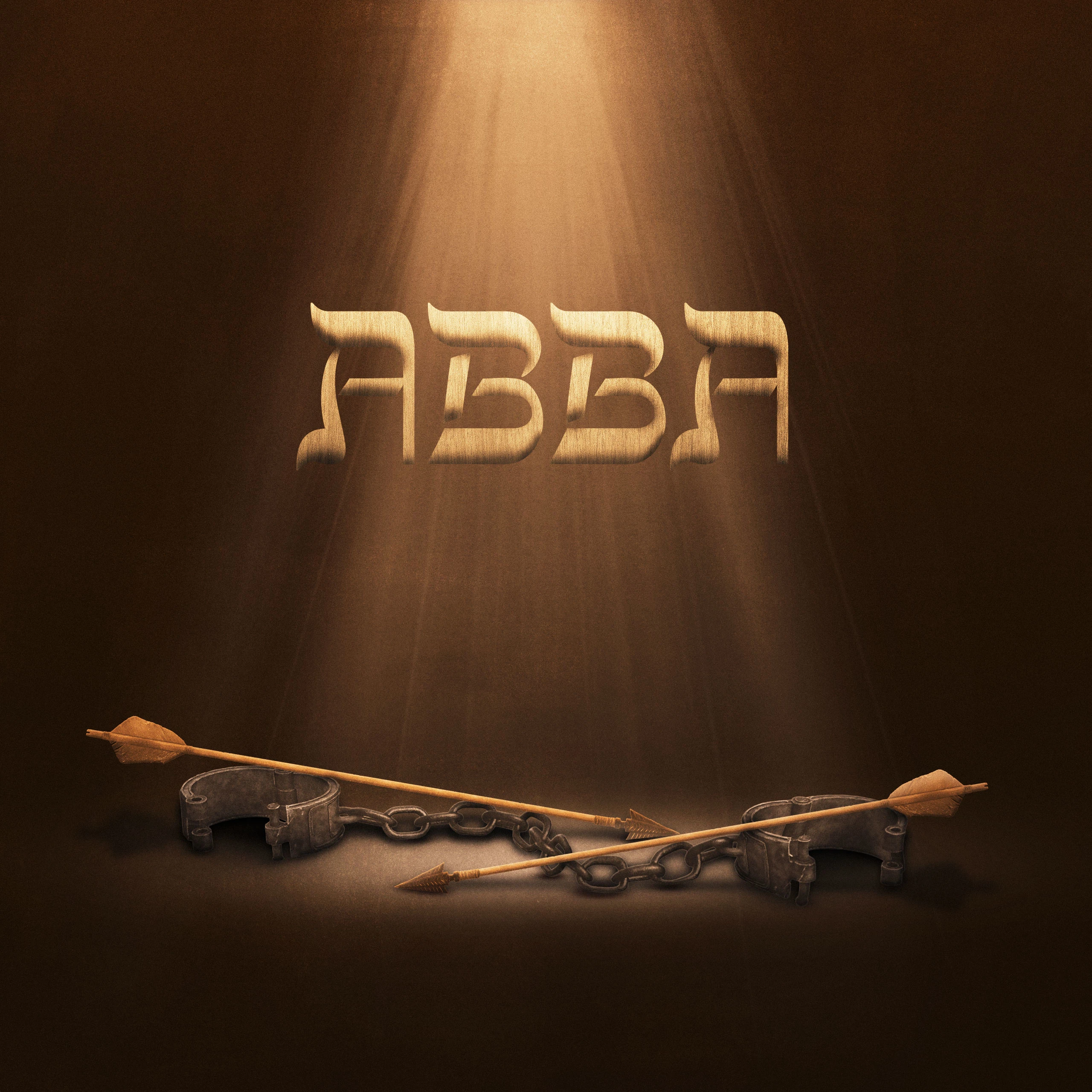
If it is a marvel of the gospel that we can address God like this, Abba also functions as the signature of the Spirit on the souls of the sons of God. Just as midwives assess vital signs in newborn babies by movement, pulse, and breathing, so the Spirit of adoption in the hearts of baby believers is signaled by the instinctive, supernatural, blood-bought, faith-wrought utterance: “Abba, Father.” Such unfeigned prayer indicates that we are alive to God, part of His family, and numbered among His children. We are no longer slaves but sons set free from sin and heirs of eternal life. For “because you are sons, God has sent the Spirit of his Son into our hearts, crying, ‘Abba! Father!’” (Gal. 4:6). If that is true, when attacked by a hail of devilish darts, Christians can petition our Abba,” certain that we are both loved and heard. We can also reliably expect showers of good gifts to rain down from our unchanging, faithful Abba of Lights: In Him there is no spiritual eclipse (James 1:17–18).
Abba Expresses Agony
Never forget that it was from a bottomless pit of grief in the garden of Gethsemane that the word Abba rose from Jesus to His Father like fragrant incense squeezed from crushed spice. In His gladiatorial struggle-to-death, tears and cries of “Abba” mingled with gloomy darkness, mental consternation, sweat like blood, and agonized anguish. It was at His lowest ebb, freely consenting and fully committing to drain the cup of suffering that sinners deserved, that the Messiah wept: “Abba, Father, all things are possible for you” (Mark 14:36). This fact alone ought to give us pause to reflect, repent, respect, worship, and wonder at Christ. It should also remind us that it is in our darkest moments, when we feel at our wit’s end, that there is no better way to groan for grace than to pray “Abba, Father.”
Abba Shows Acceptance
Loud “Abba” sobs also remind us of the sweet submission of our Lord: “Abba, Father, all things are possible for you. Remove this cup from me. Yet not what I will, but what you will” (Mark 14:36). Such resolute readiness to drain His cup is an integral part, by degrees, of our own Christian walk. It is in this same arena of struggling self-denial that love for the Father is fondest and Christlikeness clearest. Abba, therefore, not only confirms our sonship, but Abba also reflects our Savior’s mind and takes us down the wise, holy road to a cross-carrying death-to-self that God decreed for us to identify us with Christ:
For if you live according to the flesh you will die, but if by the Spirit you put to death the deeds of the body, you will live. For all who are led by the Spirit of God are sons of God. For you did not receive the spirit of slavery to fall back into fear, but you have received the Spirit of adoption as sons, by whom we cry, “Abba! Father!” (Rom. 8:13–15)