What Is a Catechism?

Growing up in a Southern Baptist home in the 1980s, I didn’t really know how to answer the question “What is a catechism?” I had only heard the term catechism mentioned occasionally by my Episcopal and Roman Catholic friends. So, for me, it sounded like a dusty relic from the past shrouded in high church mystery. Little did I know that catechisms would eventually play a major role in my theological education, in the Christian nurture of my children, and in the discipleship of the church that I pastor.
What, then, is a catechism? In its most common form, a catechism is a “handbook to instruct . . . in the essentials of Christian belief, prayer, worship, and behavior.”1 Catechisms are arranged as a series of questions followed by answers that are to be memorized. While many catechisms are designed for the instruction of children, others go deeper into the “faith that was once for all delivered to the saints” (Jude 3). Therefore, catechisms are for all Christians of every age and stage, from the youngest child to the most seasoned saint, as we together seek to “grow in the grace and knowledge of our Lord Jesus Christ” (2 Peter 3:18). Why should we incorporate catechesis, the art of using catechisms, as part of our Christian formation? Because catechesis is biblical, historical, and helpful.
Catechesis is biblical.
The term “catechesis” comes from a Greek word meaning “instruction” and is found, in various forms, seven times in the New Testament.2 We find in the Scriptures a multitude of commands, encouragements, and exhortations to instruct, to teach “sound doctrine” in the church, and to pass it down from one generation to another (Titus 1:9; 2:1). Consider Moses’ words to parents as they prepared to enter the promised land:
And these words that I command you today shall be on your heart. You shall teach them diligently to your children, and shall talk of them when you sit in your house, and when you walk by the way, and when you lie down, and when you rise. (Deut. 6:6–7)
Similarly, the early Christians gave special attention to “the apostles’ teaching” (Acts 2:42). They labored to maintain, stand firm in, and hold onto these traditions that were taught, “either by spoken word” or by “letter” (2 Thess. 2:15; see also 1 Cor. 11:2). Yet this emphasis on catechesis didn’t stop at the end of the Apostolic age. It thrived and flourished during some of the most pivotal times in church history.
Catechesis is historical.
Imagine coming to Christ from a completely pagan background, with no real understanding of the Bible. This was the situation for new Christians during the early church era (AD 100–500). How did the church respond? By a vigorous program of catechesis to instruct these converts in the basics of the Christian faith to prepare them for baptism and church membership. This instruction could last for two or three years,3 laying a firm foundation and preparing new believers to withstand the fires of persecution and the siren song of destructive heresies and false teaching.
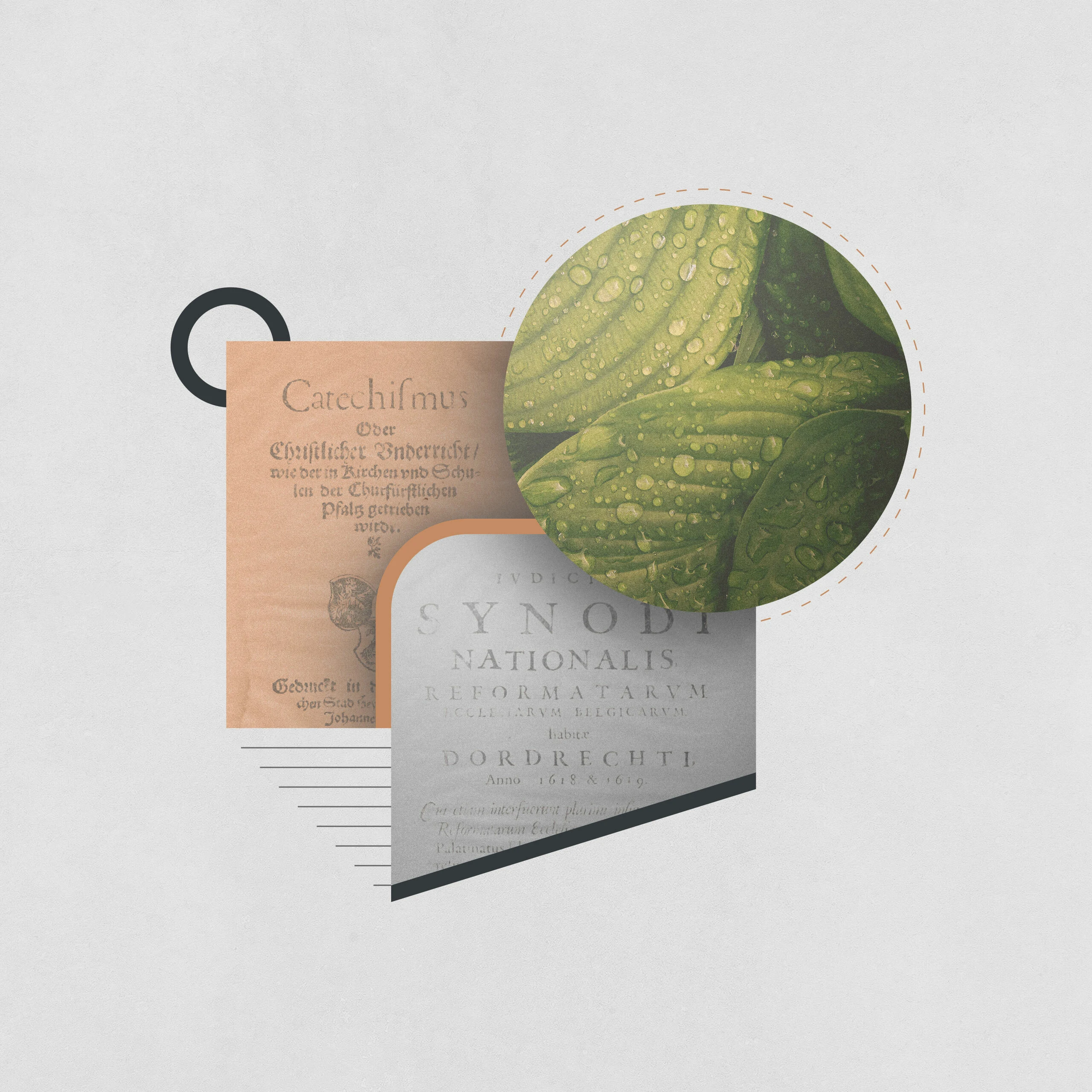
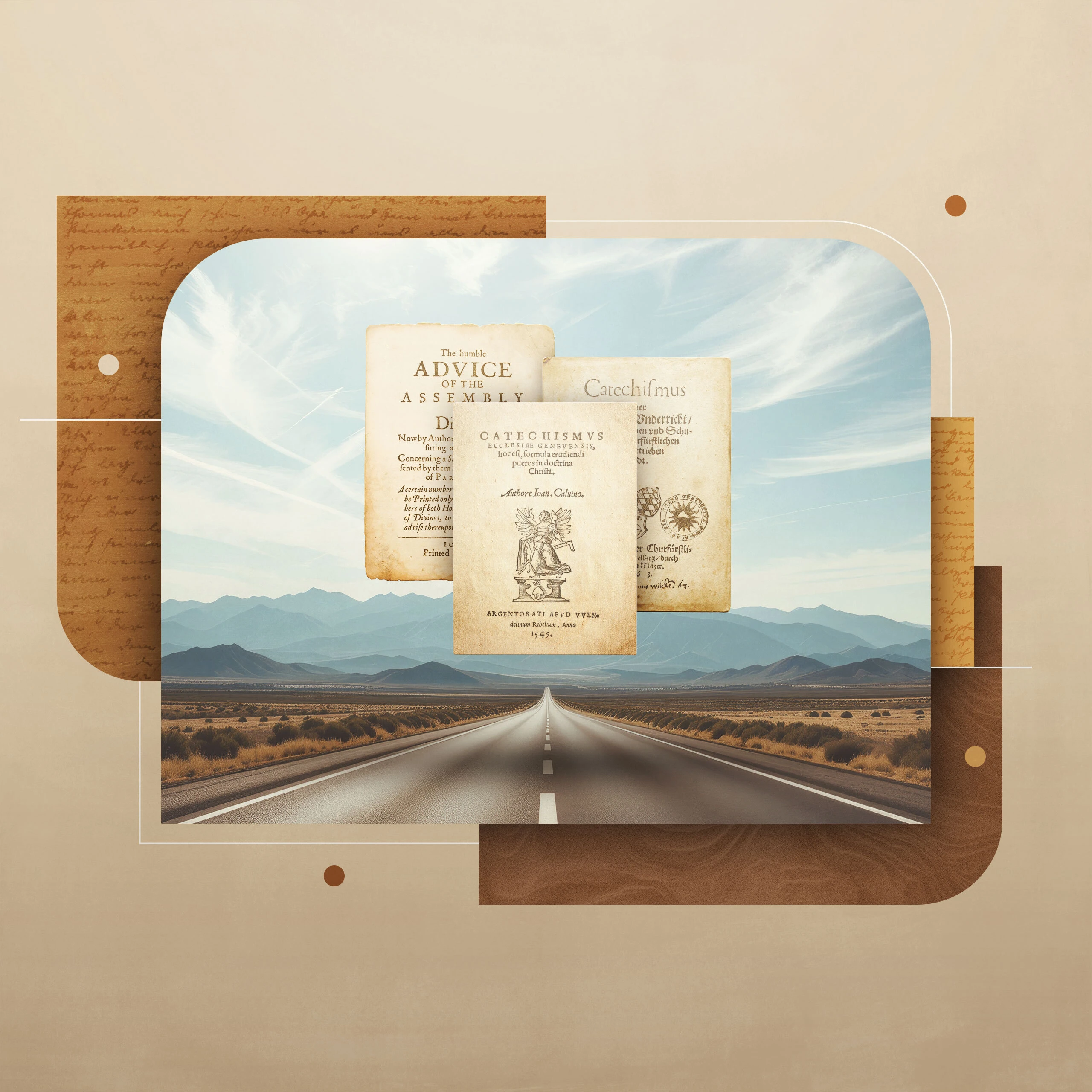
Sadly, during the Middle Ages (500–1500), catechetical instruction waned, but it once again rose to prominence during the Protestant Reformation. The great reformers Martin Luther and John Calvin wrote catechisms for the children of their congregations based on the Apostles’ Creed, the Ten Commandments, the Lord’s Prayer, and instruction in the sacraments. In so doing, they succinctly set out the gospel they had recovered, clearing it from the superstitions and human traditions that had clouded the simple truths of salvation by grace alone, through faith alone, in Christ alone—a gospel that is found in Scripture alone, to the glory of God alone.
Catechisms are for all Christians of every age and stage, from the youngest child to the most seasoned saint.
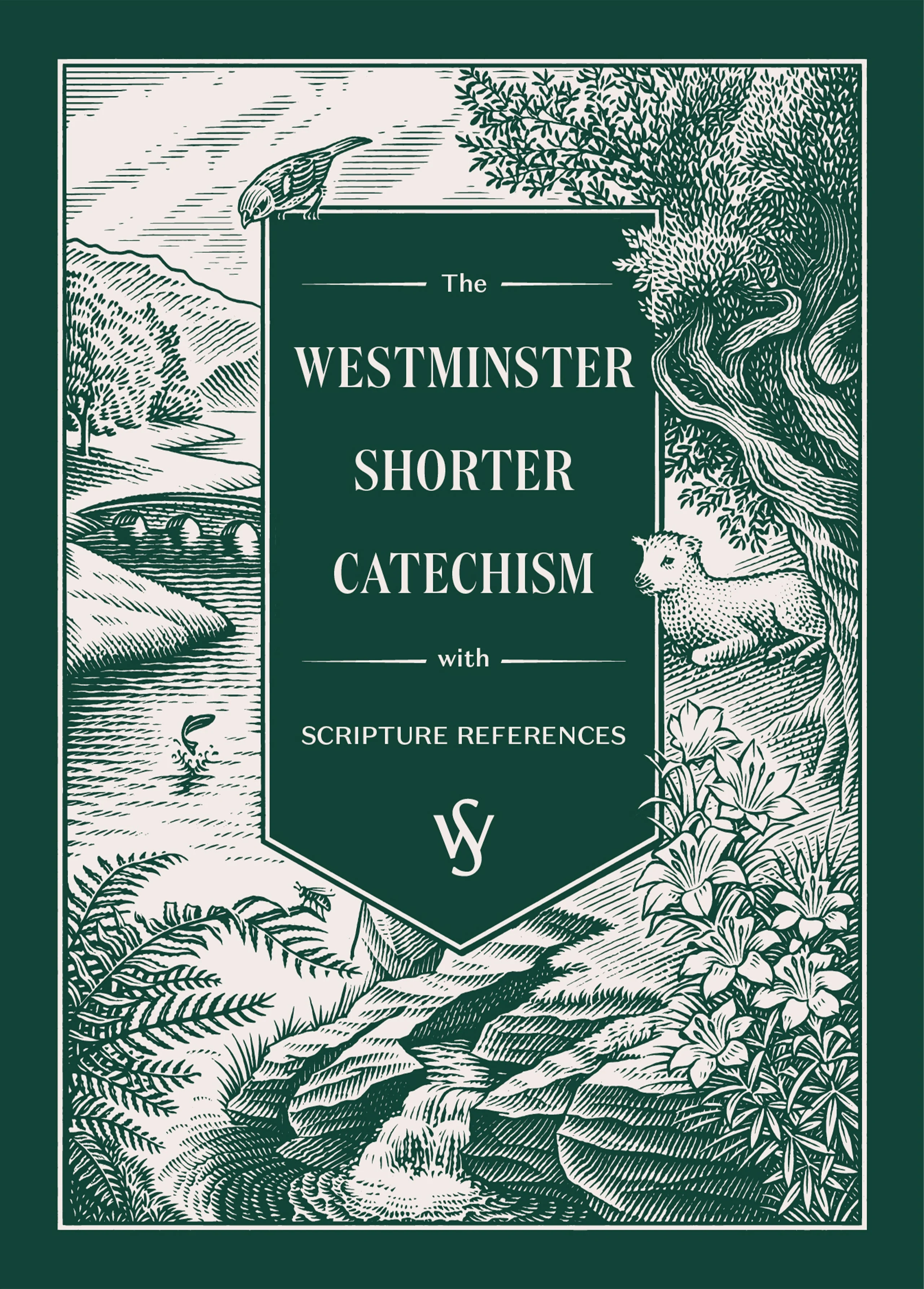
Soon, the English Book of Common Prayer included a catechism. The heartwarming Heidelberg Catechism (1563) was penned shortly after and has been preached in pulpits and taught in homes ever since. Less than a century later (1647), the splendid Shorter and Larger Catechisms of the Westminster Assembly made their way into the homes of British Puritans and eventually made the journey over to the New World. The Baptist Catechism (1695) next appeared. Therefore, all major groups of evangelical Protestants have historically employed catechesis as a means of Christian discipleship.
Catechesis is helpful.
I am very thankful that the seminary I attended required each student to memorize the Westminster Shorter Catechism. I find its compact yet thorough doctrinal definitions helpful each week as I prepare sermons, teach Sunday school lessons, and counsel Christians in times of need. It’s been my joy to teach and preach through it, along with the Heidelberg Catechism, so that God’s people would be “rooted and grounded” in the gospel of grace (Eph. 3:17).
But catechisms aren’t just helpful for preachers. As my children—along with all Christians—meet with disorienting contemporary challenges to the truth about God, the Bible, their personhood, and their salvation, I am increasingly thankful for the time that I spent with them at their bedsides with their own little green copy of the Catechism for Young Children. I wouldn’t trade one moment of that precious time, going through each question so that they know who they are (beloved children created in God’s image), and whose they are (those who have been redeemed from their sins by Jesus Christ), freed to live a life of gratitude, obedience, and hope until He calls them home to live with Him forever.
What is a catechism? It is a biblical, historical, and helpful tool to teach Christians of all ages the gospel of our salvation in our Lord Jesus Christ (Eph. 1:14).
-
J.I. Packer and Gary Parrett, *Grounded in the Gospel: Building Believers the Old-Fashioned Way *(Baker Books, 2010), 23. ↩
-
Michael J. Anthony and Warren S. Benson, Exploring the History and Philosophy of Christian Education: Principles for the 21st Century (Wipf and Stock, 2011), 108. ↩
-
Ibid., 108. ↩