Who Was Adam?

“Who am I?” “Where do we come from?” These questions echo in human experience throughout the centuries. We desperately want to know what happened in humanity’s past because our origin stories show us more about who we are supposed to be today. On the same note, we argue about our origins as human beings because how we came to be has implications for who we should be.
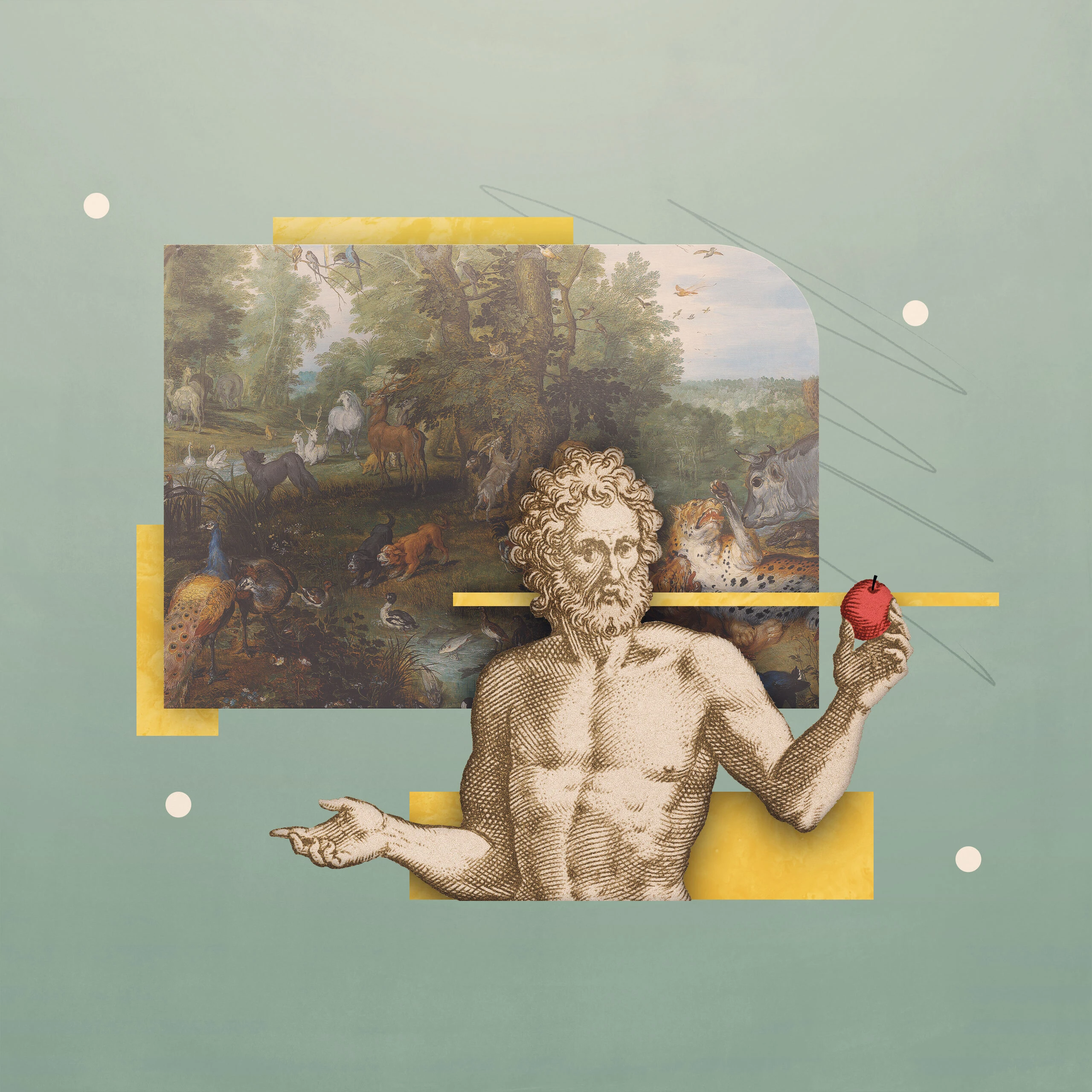
According to Scripture, the first human being was a man named Adam. This man came into existence because God made him by a special act of creation: “The Lord God formed the man of dust from the ground and breathed into his nostrils the breath of life, and the man became a living creature” (Gen. 2:7). God gave special attention to craft this creature with the divine breath of life instilled in him from his very outset. Summarizing important aspects of Genesis 1–2 and the New Testament’s reflection on what it means to be human, Westminster Larger Catechism 17 explains:
After God had made all other creatures, he created man male and female; formed the body of the man of the dust of the ground, and the woman of the rib of the man, endued them with living, reasonable, and immortal souls; made them after his own image, in knowledge, righteousness, and holiness; having the law of God written in their hearts, and power to fulfill it, and dominion over the creatures; yet subject to fall.
In other words, God made Adam, as the first member of humanity, for a special relationship with his Maker.
Adam’s creation in the image of God tells us a lot about what it means to be human. It tells us that we are meant to reflect God’s goodness into creation through knowledge, righteousness, and holiness (Eph. 4:24; Col. 3:10). Adam’s role as God’s image bearer instructs every human being, each one of whom also bears God’s image, about how our origins and purpose are with God. We are not free to live however we want, nor to invent whatever purpose for ourselves that we may desire. God built humanity with Adam as our first member to have a relationship with Him and to live for Him.
Adam helps us understand who we are supposed to be but he also tells us something about why life is the way it is. More specifically, life is hard because of sin and death. Adam broke his relationship with God by rebelling against God’s commands. Adam was responsible to reflect God’s goodness into the world by being obedient to God in every way that we know from God’s moral law. In addition, God directly commanded him not to eat from the Tree of Knowledge of Good and Evil (Gen. 2:16–17). When Adam sinned, he brought sin and death into the world for us all:
Therefore, just as sin came into the world through one man, and death through sin, and so death spread to all men because all sinned—for sin indeed was in the world before the law was given, but sin is not counted where there is no law. (Rom. 5:12–13)
As Westminster Shorter Catechism 18 summarizes,
The sinfulness of that estate whereinto man fell, consists in the guilt of Adam’s first sin, the want of original righteousness, and the corruption of his whole nature, which is commonly called original sin; together with all actual transgressions which proceed from it.
Adam was the reason that we all today are counted sinners, have the corrupt hearts that lead us into continual sin, and endure the miseries of this life under the curse.
In contrast to Adam, Jesus Christ rendered perfect obedience that provides for our entry into everlasting life.
More joyfully, Adam tells us something about the glorious work of the Lord Jesus Christ for our salvation. Romans 5:14 highlights that Adam “was a type of the one who was to come.” In Scripture, a “type” is a forward-looking example from earlier parts of Scripture that provides insight about what God would do in the work of Jesus Christ. Adam was one of these examples as he shows us something about how Christ has saved His people.
Reformed theology calls Adam a “public person” because he represented the rest of humanity. Like elected government officials perform a public function to represent their constituency, Adam represented humanity in his public role. Respectively, he was the representative head in the first covenant that God made with His people. Sadly, Adam broke this covenant and, as a public person, plunged us all into sin.
Jesus Christ is another public person. In contrast to Adam, He rendered perfect obedience that provides for our entry into everlasting life. He even died to pay the penalty for our sin. He did both to provide for our salvation as He has become the new representative of every believer. As Paul elaborates:
If, because of one man’s trespass, death reigned through that one man, much more will those who receive the abundance of grace and the free gift of righteousness reign in life through the one man Jesus Christ.
Therefore, as one trespass led to condemnation for all men, so one act of righteousness leads to justification and life for all men. (Rom. 5:17–18)
Adam teaches us about how Christ is the all-sufficient Savior who grants everlasting life to everyone who receives Him by faith alone.