Early Methodism: Circuit Riders and Camp Meetings
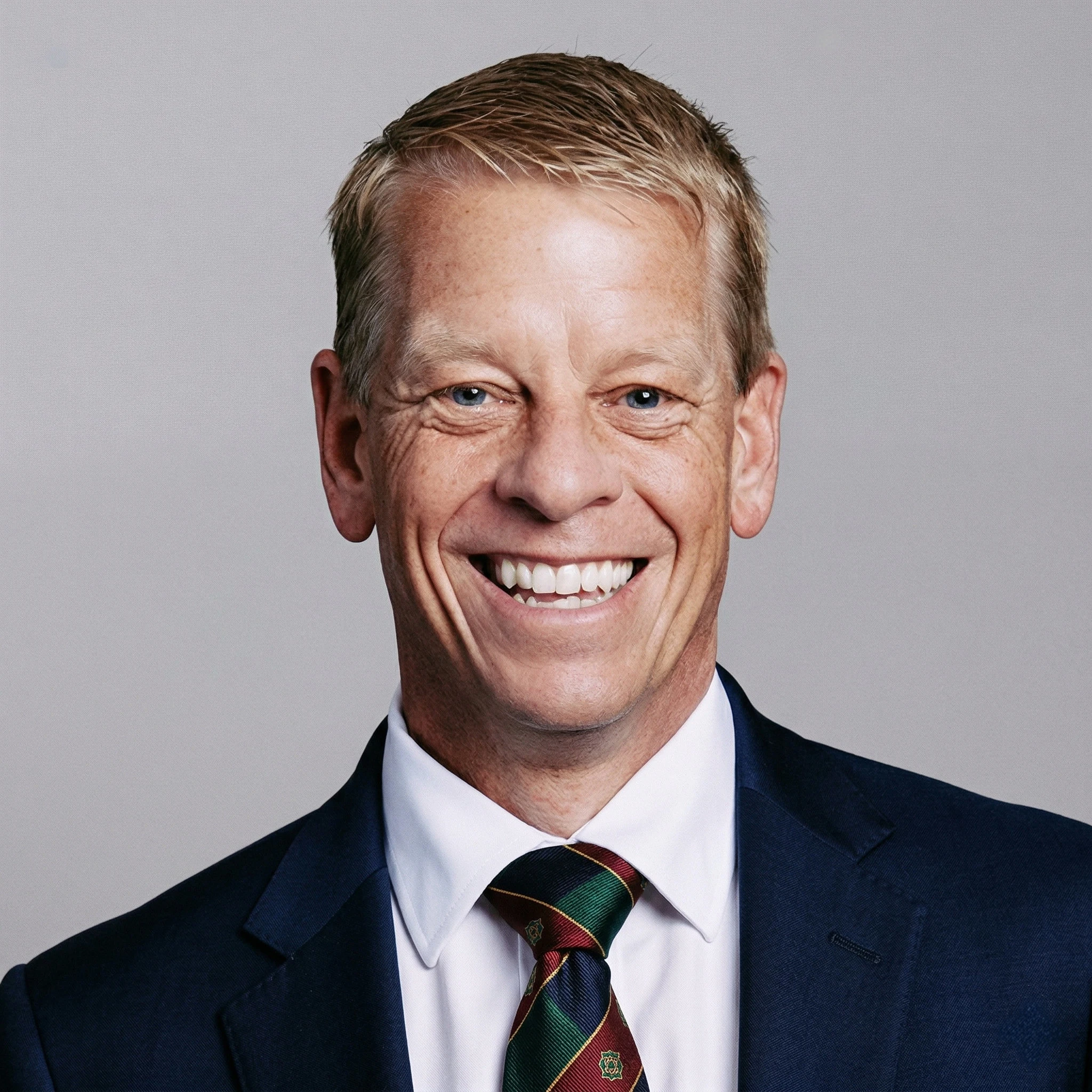
How did Methodism spread across the American frontier? Today, Stephen Nichols looks at the lives of circuit riders who carried Methodism westward.
Last week on 5 Minutes in Church History, we started looking at early developments in Methodist history. We got to four of them, and that leaves one more, and that is the Saddlebag Ministry. Now, this has to do with Methodism on the frontier of the early United States in its early Republican period, and these were circuit riders. These ministers covered literally hundreds of miles of territory, and they would have to do so in all kinds of weather, in all kinds of terrain through dangers, toils and snares. One statistic has it that nearly half of circuit riding preachers between 1800 and 1850 never reached their 30th birthday, the conditions were so challenging. Well, I want to focus on one of those circuit riders in particular. He survived much past his 30th birthday. He made it all the way to his 87th year and spent 70 of those years as a preacher.
Peter Cartwright was born in 1785 to a farming family in Virginia. His dad was not only a farmer, he was a Revolutionary War veteran. When Cartwright was five years old, the family moved to Kentucky. In 1801, Cartwright, who described himself as a, “hell on the frontier young man,” and after a rowdy time at the conclusion of a wedding, experienced a serious time of introspection and soul searching, and this resulted in his conversion. He immediately joined in with the Methodists. Two years later, he was a circuit riding preacher, and he preached until the day he died. He's described as having a meteoric rise through Methodism, and much of that has to do with his relationship with Francis Asbury, who greatly admired the stamina and grit and spiritual nature of Peter Cartwright.
Cartwright espoused what he called a primitive Methodism. This is even reflected in the library. His library consisted of a Bible, a hymn book, and the Methodist book of discipline, and he kept all of those three in his trustee saddlebag. He also dabbled in politics. In 1828, he was elected to the Illinois legislature. Then in 1838, he was reelected to the legislature and he beat out a lawyer by the name of Abraham Lincoln. But then in 1846, Abraham Lincoln returned the favor and he beat Cartwright in a race for the United States House of Representatives, but he was really a preacher at heart. Historians estimate that he preached over 15,000 sermons and that he had nearly 13,000 conversions. This was due to his tireless, relentless circuit riding. Cartwright saw himself and his fellow circuit riders as the Methodist army, with the task to conquer the frontier. He also, having been converted at a camp meeting, was quite a staple speaker at camp meetings.
Now we need to pause here for a moment and talk about camp meetings. People would come from vast distances to gather for several days of revivalism at a central location. Many of these people were coming from such rural or country areas that there was no established church for them, and there would be all these preachers lined up and the preaching would start in the early morning. It would go all day and in through the evening hours. These were times of preaching and of singing and of prayer. The camp meetings were times of an intense emotionalism, often people having ecstatic utterances. There would be what would come to be the charismatic movement or the Pentecostal movement. There would be phenomenon like that occurring at these camp meetings. It was very much a populist style. The camp meetings would also sometimes have those who would want to disrupt them. Cartwright described them as ruffians who would come in and try to disrupt his speaking or the other camp meeting speakers. You'll remember that when this happened to the Wesleys, they hopped in their carriage and rode off, but not Cartwright. He actually went right up to them and would fight off these ruffians. So there it is, early Methodism and its circuit riders. And among them, Peter Cartwright, a rugged individual for America's rugged Frontier. And I'm Steve Nichols and thanks for listening to 5 Minutes in Church History.






Recent Episodes
5 Things Everyone Should Know About John Cotton: A Committed Congregationalist
March 18, 2026|Biography
5 Things Everyone Should Know About John Cotton: A Pastor’s Heart
March 11, 2026|BiographyTo Burma
March 4, 2026|Missionary BiographyThe Haystack Prayer Meeting
February 25, 2026|The Nineteenth CenturyNoah Webster: More Words
February 18, 2026|The Nineteenth Century401 Again
February 11, 2026|The Ancient Church